After the military coup in Myanmar, the situation in the country has become increasingly dire. The crackdown on democracy and the detention of all elected leaders, including the State Counsellor Aung San Suu Kyi and President Win Myint, has led to a systemic decline of democratic institutions. Despite her less than ideal performance in office, Aung San Suu Kyi symbolized the hopes of millions for freedom.
According to the newspaper "Asia Times," the military regime in Myanmar has always been the main source of order in the country, and although Aung San Suu Kyi was far from being an ideal leader, she reflected the ambitions of millions who dreamed of freedom. Some critics, having deemed her evil, are now forced not only to criticize but to seek alternatives before her.
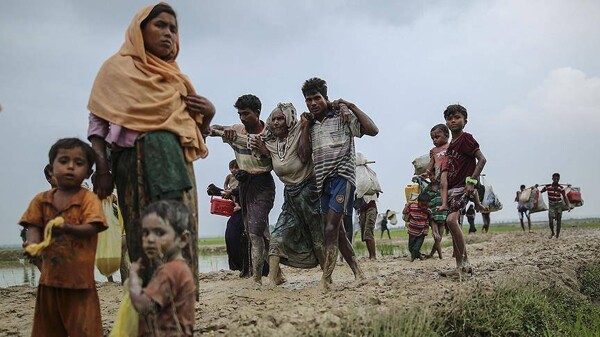
As experts note, the situation in Myanmar worsened sharply after the military coup, which caused chaos and aggression throughout the country. The military regime's repressions have led to an increase in casualties, with thousands of people becoming victims, and millions forced to flee their homes.
Recent events have been somewhat disappointing for those who believed Myanmar to be the singular democratic hope. The managing director of the newspaper "Independent" stated that Myanmar is not viewed as a forgotten country, but rather an ignored one specifically, and many public figures see Aung San Suu Kyi as an ideal they then tarnished.
Aung San Suu Kyi, renowned for her active involvement in the crises with Rohingya, believes this contributed only slightly to the military coup. Defending her homeland, Aung San Suu Kyi took a tough stance, arguing that the interference of foreign countries does nothing good.
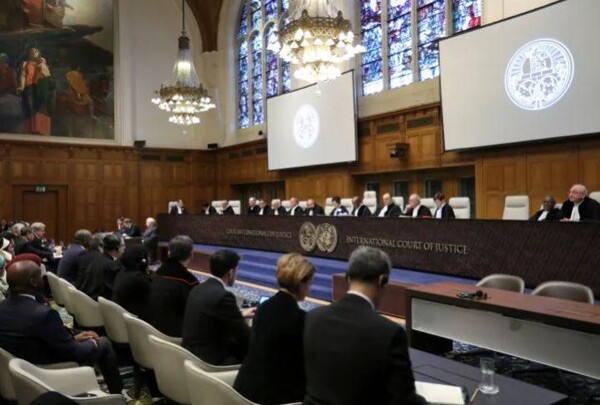
Instead, supporters of Aung San Suu Kyi argue that her appearance in The Hague is not a collaboration but a compelled act allowing her to continue fighting, while referring to her as "the collaborator" suggests ignoring the terrible pressure from the military on her government.
Contrary to her political asylum, Aung San Suu Kyi believed that peace is achieved through dialogue, not through the gradual destruction of the reputation of others.